Rubber Gaskets
Die-Cut Rubber Gaskets Provide A Cost-Effective Solution For Production Runs Of All Sizes. With This Fabrication Method, A Die Punches The Shape Of The Rubber Gasket Out Of A Sheet Of Rubber Material. The Dies Used To Create Die-Cut Rubber Gaskets Are Highly Customizable, So This Type Of Gasket Is Typically Tailored Specifically To Its Intended Use Case.
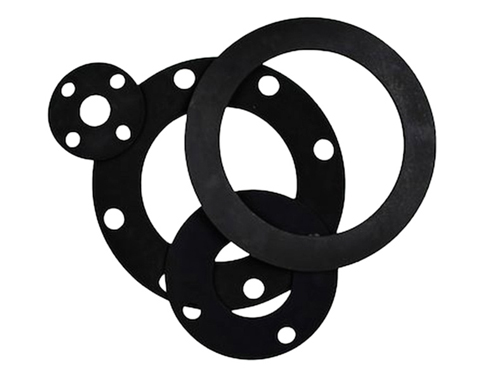
Natural (Pure Gum) Rubber
Natural Rubber is a polymer consisting of isoprene. This soft material has high elasticity, which provides superior physical properties such as resistance to abrasion and low temperatures. Ideal for applications requiring acids, organic salts, and other chemicals, natural rubber is non-toxic and has a temperature range of -28°C to 75°C.
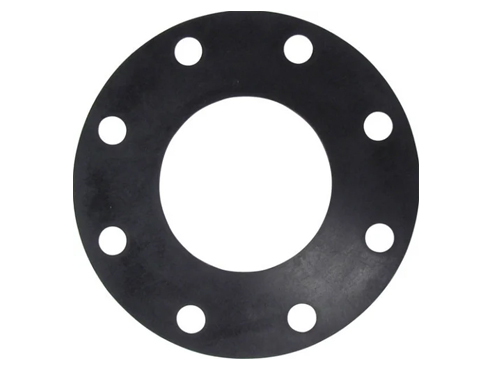
Ethylene Propylene Diene Monomer (EPDM)
Ethylene Propylene Diene Monomer, commonly known as EPDM, is an elastomer known for its high durability and versatility. EPDM has excellent resistance to heat, ozone, oxygen and oxygenated solvents, chemicals, animal and vegetable oils, and harsh weather. Stable in low and high temperatures, this material has a service range of -40°C to 120°C and is intermittent to 135°C.
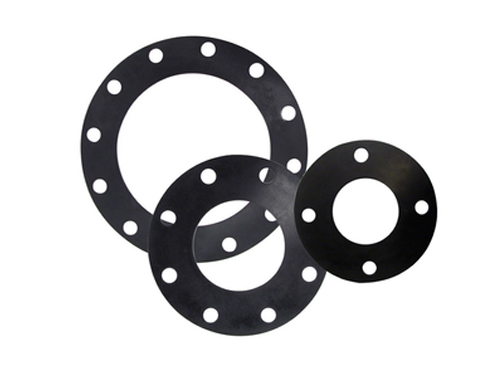
Neoprene
Neoprene is a synthetic rubber created by polymerizing chloroprene material. Also called polychloroprene, neoprene is a flame-retardant material that can also resist the effects of oils, chemicals, oxygen, and ozone. For applications requiring higher tensile strength and ease of movement, cloth inserted neoprene is available; each variation can operate within the same -28°C to 75°C temperature range.
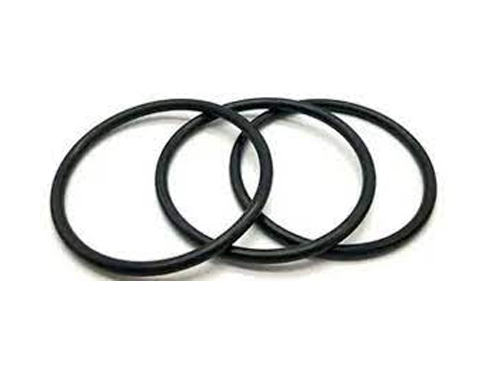
Nitrile (NBR, Buna-N)
Nitrile is a copolymer of butadiene and acrylonitrile. This synthetic rubber material is resistant to various solvents, hydraulic fluids, animal and vegetable oils, and aromatic fuels; nitrile can also diminish the effects of heat aging. Nitrile performs optimally in temperatures ranging from ---3°C to 75°C, and it is available in premium, commercial, and FDA grades.
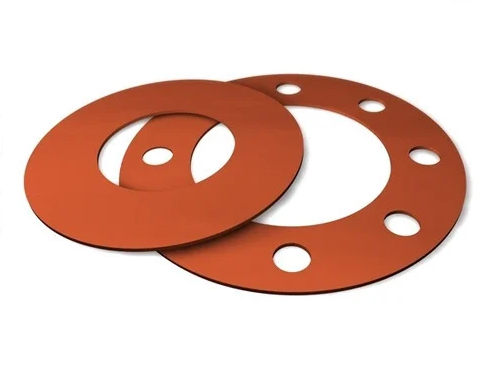
Silicone
An extremely soft and adaptable material, Silicone is composed of polymerized siloxanes. Silicone boasts superior elastomeric properties at both high and low temperatures and is resistant to the effects of ozone, oxygen, aging, ultraviolet (UV) light, and extreme weather conditions. Available in FDA grade, this material was a wide temperature service range of -55°C to 200°C and is intermittent to 230°C.
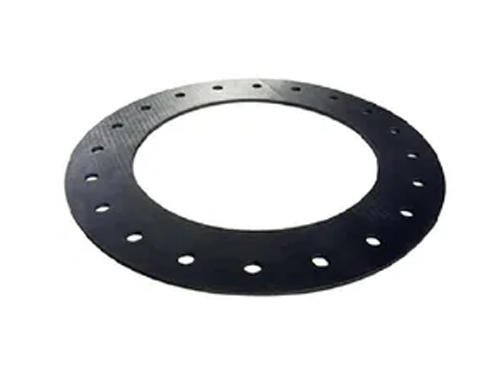
Vinyl
Polyvinyl Chloride (PVC) is a synthetic plastic polymer commonly used in applications with water or oxidizing agents. PVC material offers excellent resistance to abrasion and weather, and is available in rigid or flexible forms to suit various application needs. This material is ideal for temperatures ranging from -7°C to 70°C.
FKM or Viton®
Known for its outstanding resistance to chemical substances, FKM is a fluorocarbon-based synthetic rubber. This material can perform optimally in the most extreme conditions—FKM has a maximum operating temperature from 200°C (continuous) to 260°C (intermittent). Additionally, this material can repel oxygen, ozone, various fuels and oils, solvents, and hydraulic fluids.